
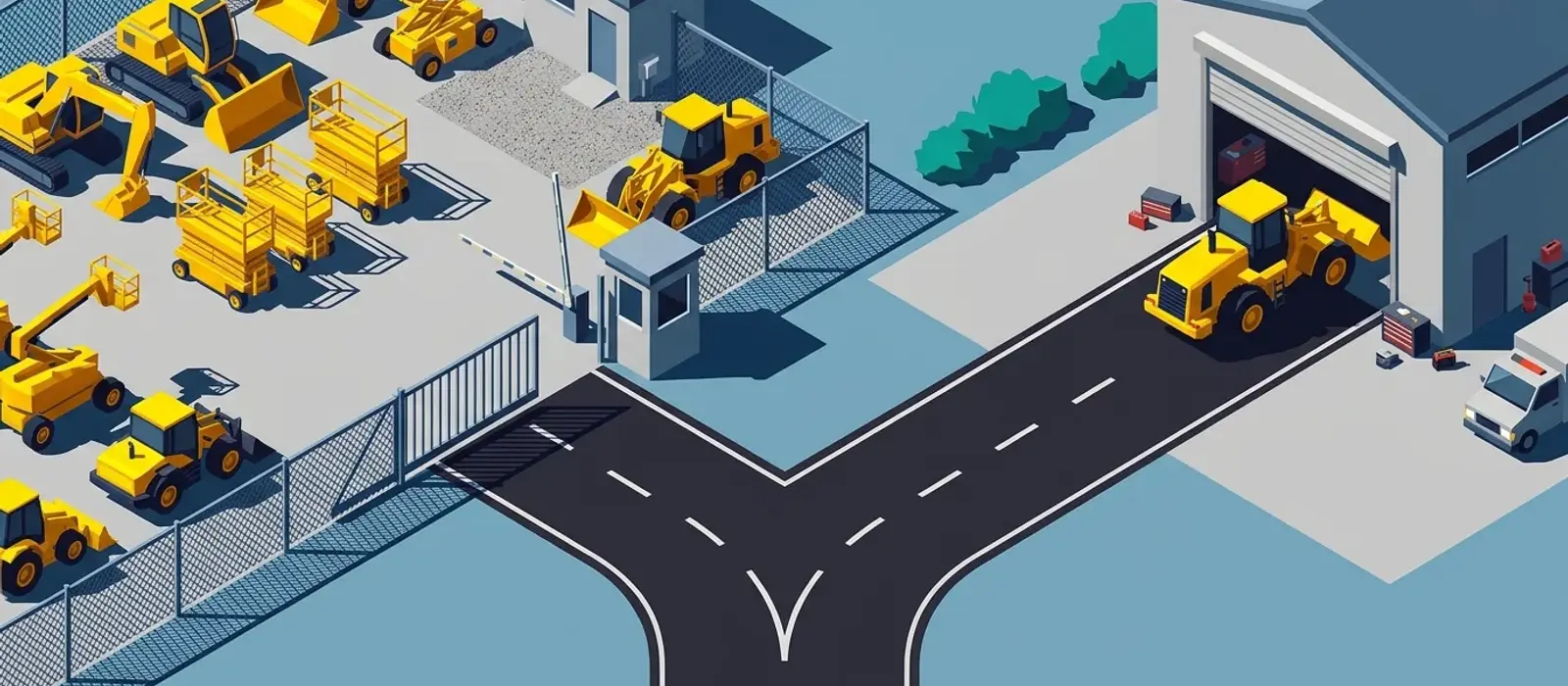
The rent-or-buy question comes down to one number: how many days a year the machine will actually work for you. Everything else (price, resale, insurance, repairs) is math around that number.
The Real Cost of Owning
- Purchase price minus what you can sell it for later (depreciation)
- Financing interest, or the return your cash could earn elsewhere
- Insurance, registration and any property tax on equipment
- Maintenance and repairs: filters, tracks, tires, hydraulic hoses, wear parts
- Storage and transport: a yard, a trailer and a truck big enough to tow it
Advertisement
The Real Cost of Renting
- The rental rate (day, week or 4-week)
- Delivery and pickup
- Damage waiver or proof of your own insurance
- Fuel, cleaning and any overtime hours
A Simple Rule of Thumb
Many contractors use a utilization rule: if you would have the machine on rent for more than roughly 60–70% of the working year, owning usually becomes cheaper. Below that, renting is usually cheaper and keeps cash free. Treat this as a starting point, not a law; our rent vs buy calculator uses your own prices.
Other Reasons to Rent
- You need a different size for each job
- You want the newest, cleanest-burning models without buying them
- You have no mechanic or shop
- You want to test a model before buying (some dealers credit rent toward a purchase)
Other Reasons to Buy
- Steady, predictable work all year
- Rentals are often unavailable in your area in peak season
- You can depreciate the purchase (ask your tax adviser about Section 179)